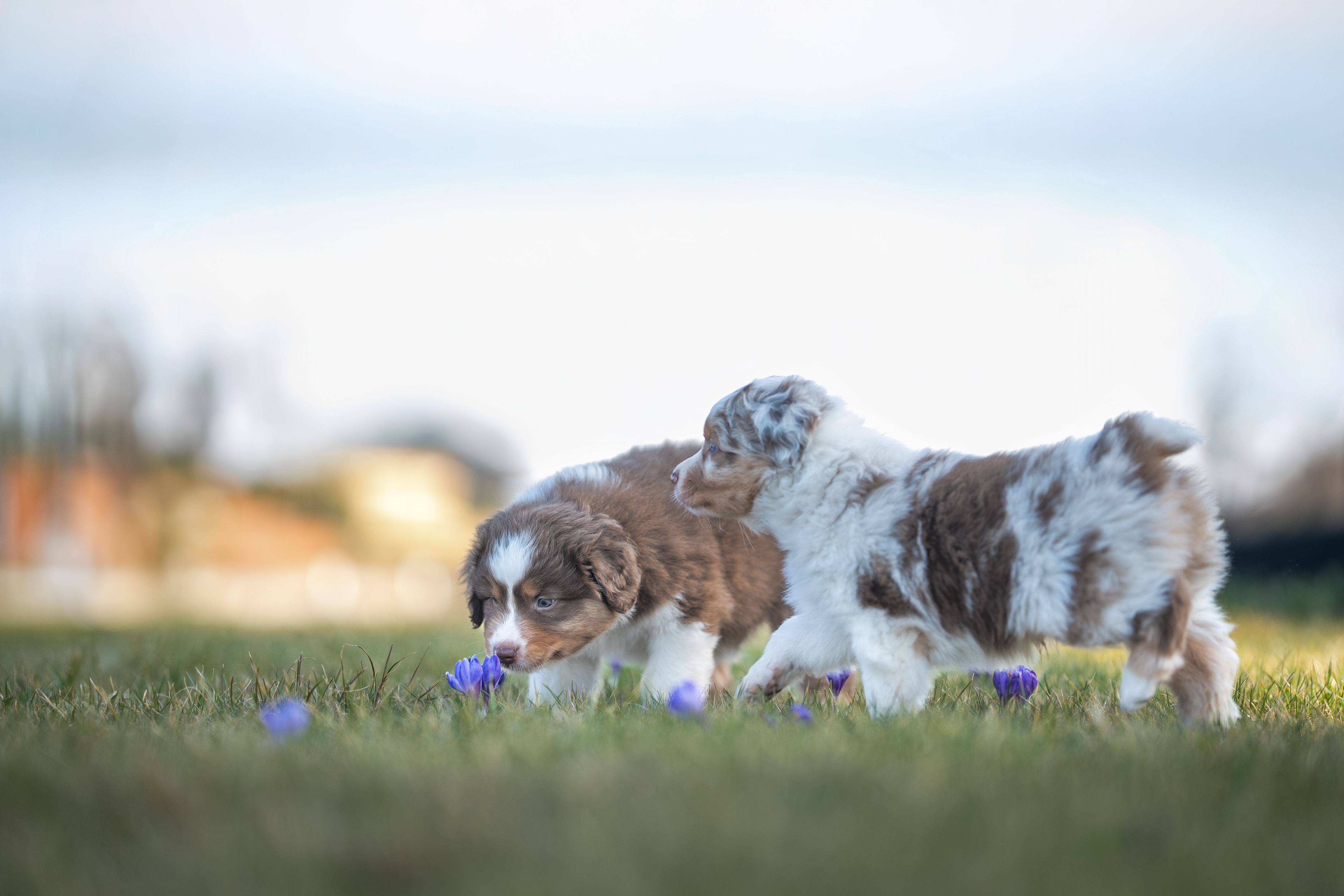
When puppies grow up in our kennel, we put a lot of heart into every stage of their development, preparing them for their future homes from day one. Every puppy leaves with a "temperament test" – a cheat sheet for the new parents on what to expect. But even with that, when you finally hold that long-awaited "bundle" in your arms, everything can suddenly feel overwhelming. It feels like all the information you’ve read has vanished, and in those last few days before picking them up, anxiety sets in.
You know what? That is completely normal. It’s a sign of a responsible person. Once you’ve made the decision to bring a new family member home, that final countdown often brings a period of fear. I always say that this is a healthy, responsible mindset. You realize how much time and energy it will take (perhaps more than we sometimes anticipate), because this is a little heart and a life you are now responsible for: the training, the time commitment, the love, the walks – it all adds up.

The Big Day and the Journey Home
Finally, the day is here! You are off to pick up the long-awaited friend you’ve watched grow since birth. They already feel familiar and like "your own," because they are your little one. On that special day, we always talk through what to bring and how to prepare. My advice: get a good night’s sleep, because that might be the last one for a long time. You are bringing home a baby who will need your time – both day and night.
For the journey home, I suggest bringing a blanket, a water bowl, and being prepared to sit in the back seat. Give the puppy space to choose where they are most comfortable: on your lap or beside you on the seat. And please don’t think negatively if your little one chooses to lie next to you instead of on your lap. It doesn't mean the bond isn't there (it is something to be earned and built over time). It simply might be a more comfortable spot for them. We usually avoid feeding them right before the trip to keep their tummy settled, so their first meal will be at home. You will find food, a collar, toys, and treats in the "starter pack" we’ve prepared for you. Don’t rush to buy everything beforehand, as you likely won’t need half of it.

Rules: Building a Foundation, Not Fixing Mistakes
A crate is a safe space for both the puppy and your home’s belongings. It is not a place for punishment; it is an oasis of rest and security. Since our puppies sleep in a pen, a crate is not foreign to them, so you should start crate training from day one. If you let the puppy sleep in your bed the first night just because you missed them, be prepared for them to want to sleep there as they grow up.
From the very first minute, agree on the rules: Are they allowed on the sofa? Is the bed allowed? Is chasing a broom okay? I understand—while the puppy is tiny, it’s fun to watch them "have fun," but try to imagine how that will look in a year or two. Will you still be happy when a big, fluffy creature with a strong set of teeth does the same thing? If you already think, "Oh no, I don’t want that," then manage the process from the very first attempt. This will build a strong foundation and a comfortable life for both of you, rather than constant conflict where neither of you knows what is allowed. Let’s be honest with ourselves and our puppies.
"Potty Business" and Sleep

Potty training is another part of growing up. We start the training at the kennel, but don’t expect a tiny puppy to hold it for hours. The golden rule is: after sleeping, go out; after playing, go out; after eating, go out. Praise them for their efforts! Accidents will happen, and that’s normal, but the intervals will grow longer over time. And no pee pads! Even if they are small, they are a "full dog" now, about 5-6 kg – there is definitely a fair amount of "business."
When they sleep in the crate at night, remove all unnecessary items—it’s time for rest and quiet. If the puppy cries at night, take them out only for their business, calmly and without talking or cuddling, then put them back to sleep. If you show them attention, you’ll get a "good morning" at 2 AM. We want you to be well-rested so that you can be better companions to your pet. For the first few nights, I suggest sleeping in the same room (you on the sofa, puppy in the crate) – be their pillar of support while they adjust to their new environment.


